
Rolling Ball Tack Tester
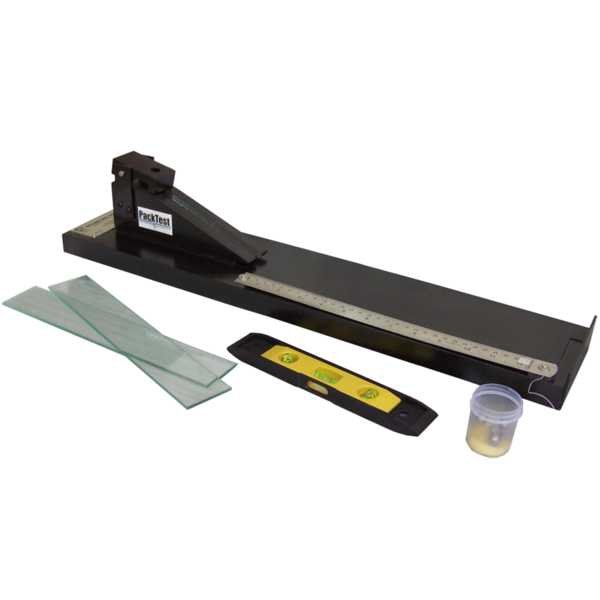
A rolling ball tack tester is a device used to measure the tack or adhesive strength of pressure-sensitive adhesives. It assesses the ability of an adhesive to stick to a surface when a specific force is applied. The test involves rolling a small steel ball onto the adhesive surface and measuring the distance it travels before coming to a stop.
Here are the key features and functionalities of a rolling ball tack tester:
Steel Ball: The tester is equipped with a steel ball, typically made of stainless steel or chrome-plated steel, with a specific diameter and weight. The size of the ball may vary depending on the testing standard or application.
Test Substrate: The adhesive to be tested is applied to a substrate, such as a film or paper, which is placed on a flat surface. The substrate may be clamped or secured in place to ensure stability during the test.
Test Procedure: The steel ball is released onto the adhesive surface from a specified height or under a controlled force. The ball rolls along the adhesive, and its movement is observed until it comes to a complete stop.
Tack Measurement: The distance traveled by the steel ball before stopping is measured. This distance, often referred to as the tack or adhesion value, indicates the adhesive’s initial sticking strength. It is typically measured in millimeters (mm) or inches (in).
Adjustable Parameters: Some rolling ball tack testers allow users to adjust parameters such as the release height or force, ball diameter, and testing speed to accommodate different testing requirements or standards.
Data Display and Analysis: The tester may feature a digital display or integrated software that shows the tack measurement results in real-time. Some models also offer data logging and analysis capabilities for further assessment and comparison.
Rolling ball tack testing is commonly performed in industries such as packaging, labeling, printing, and adhesive manufacturing. It helps assess the adhesive quality, evaluate performance characteristics, and ensure consistency in production. The results obtained from the test can be used for quality control, product development, and process optimization.
It’s important to note that different standards and specifications may exist for rolling ball tack testing, such as ASTM D3121 or ISO 8296. Following the appropriate testing standard and adhering to the manufacturer’s instructions is essential to obtain accurate and reliable tack measurements..